Digital Organ Twins
Turning health data into knowledge


The Pain Points of a Complex Care Path
One patient. A serious disease. Multiple specialists. Difficult decisions. At every step, fragmented information creates risks, delays, and breaks in continuity of care.
Initial Detection
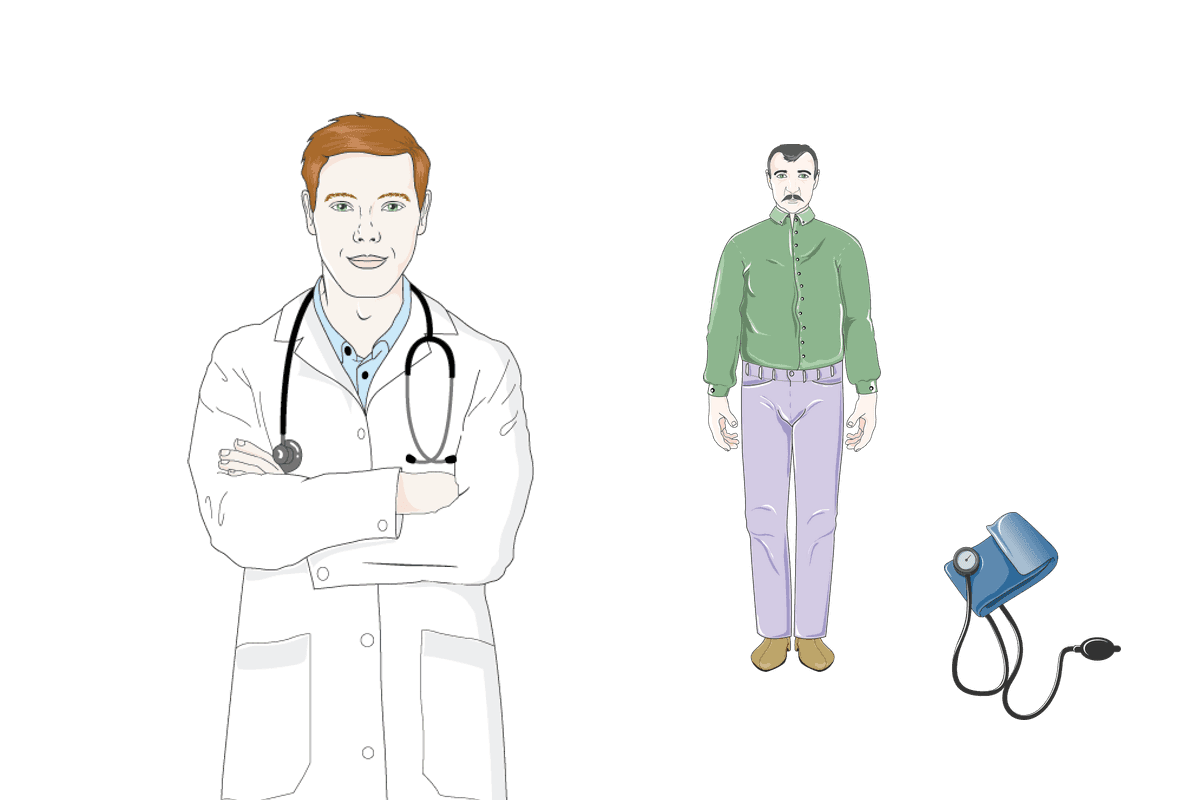
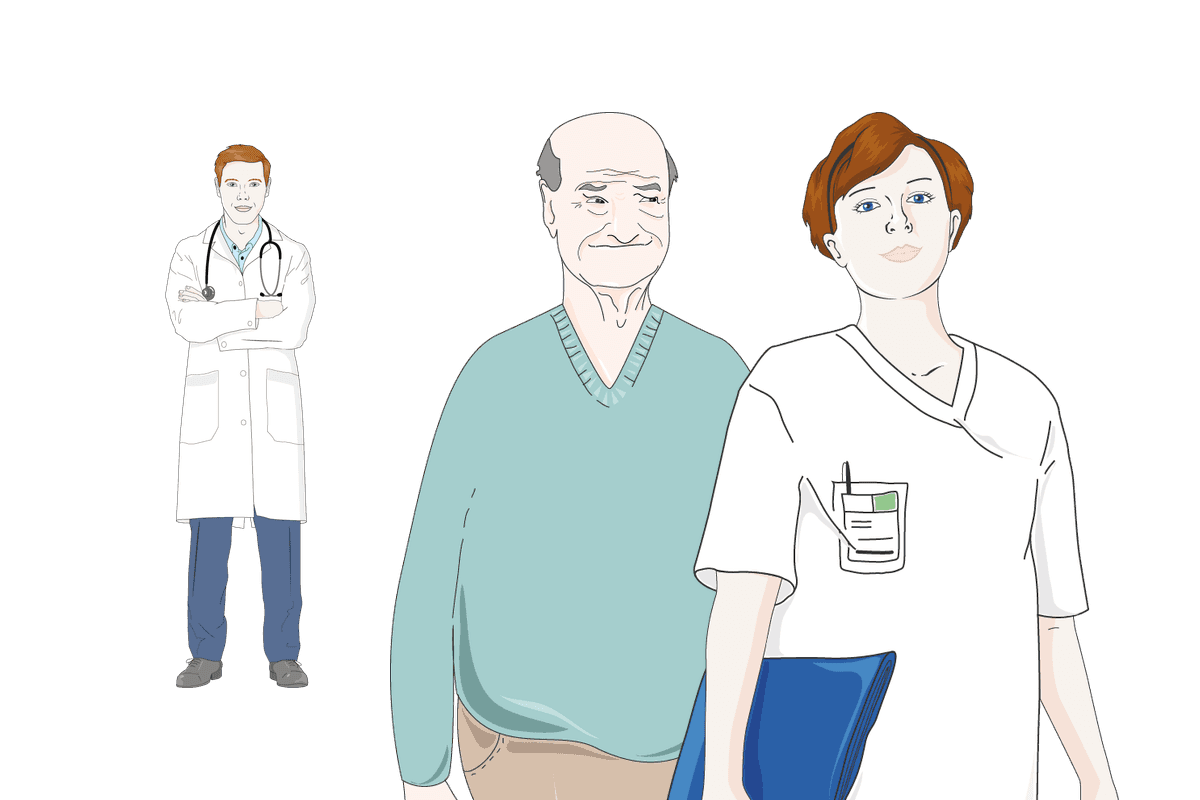
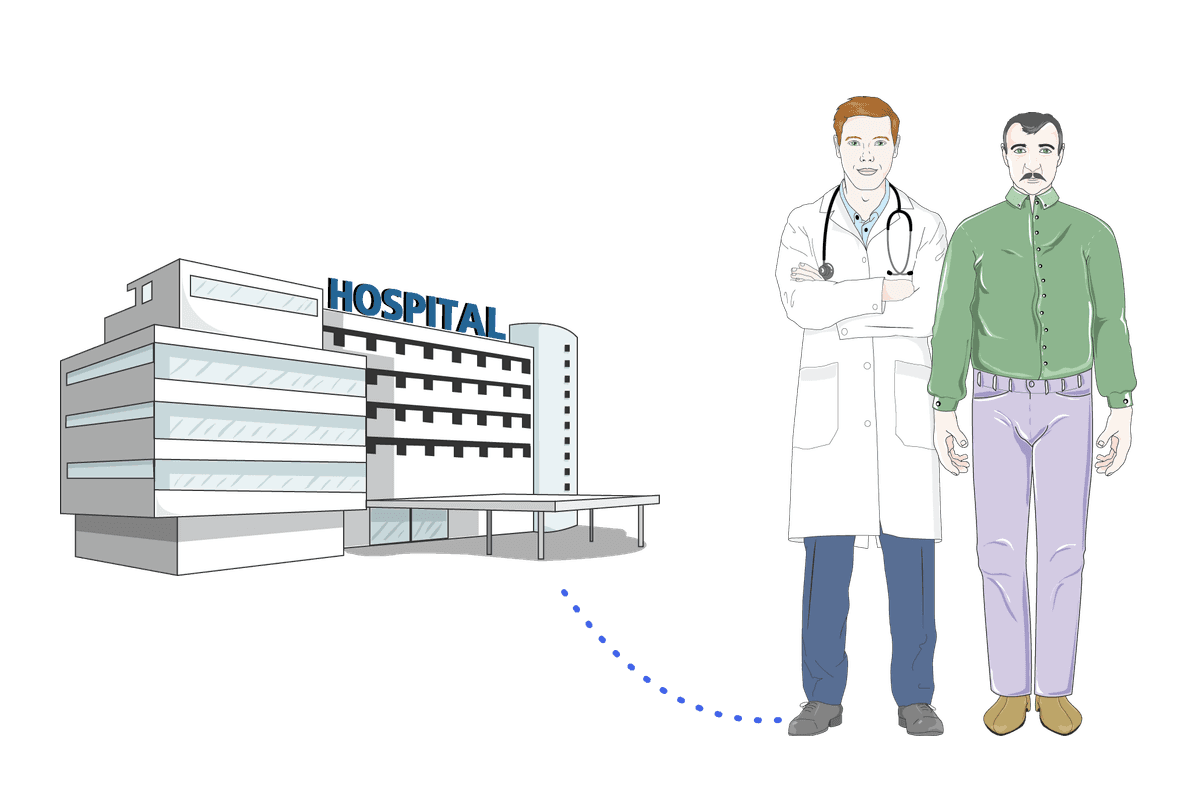
A serious illness may first be identified in primary care — incidentally, following the onset of symptoms, or during the monitoring of a chronic condition. The physician must refer the patient quickly to an expert center and provide the relevant medical history. Yet information often fails to flow efficiently between healthcare settings.
Diagnosis
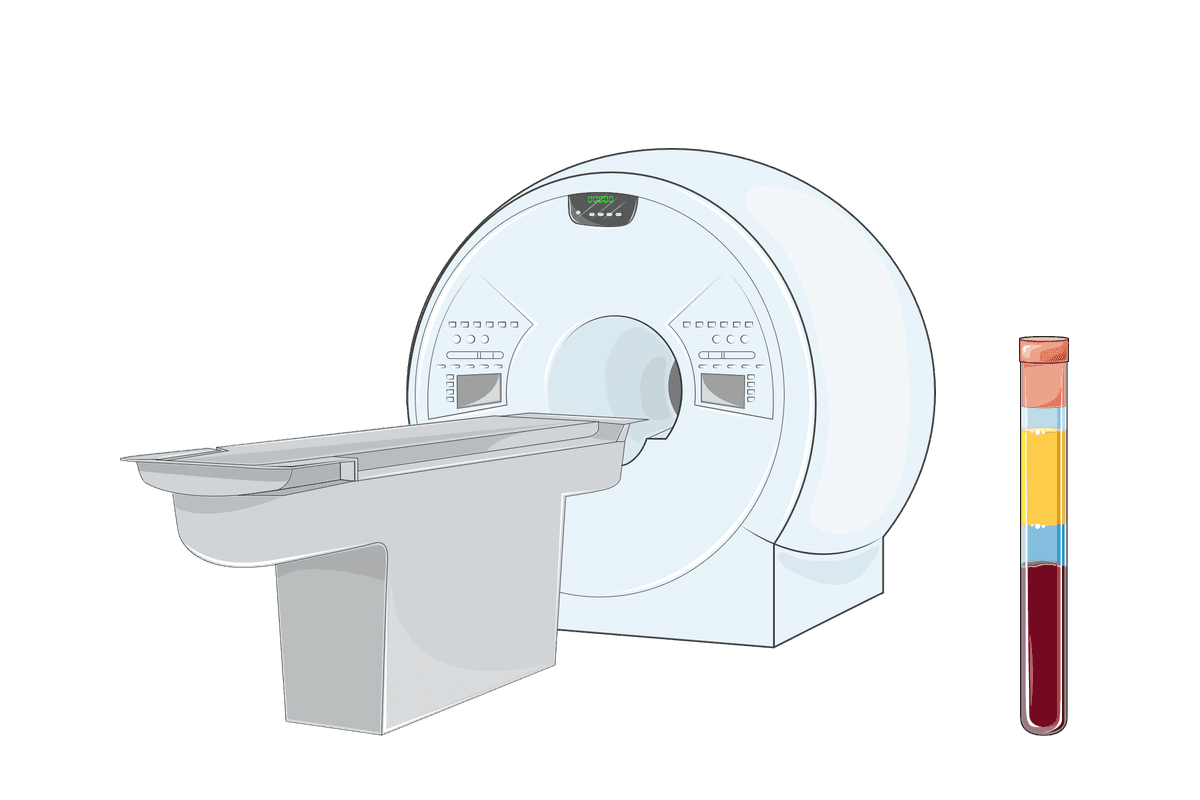
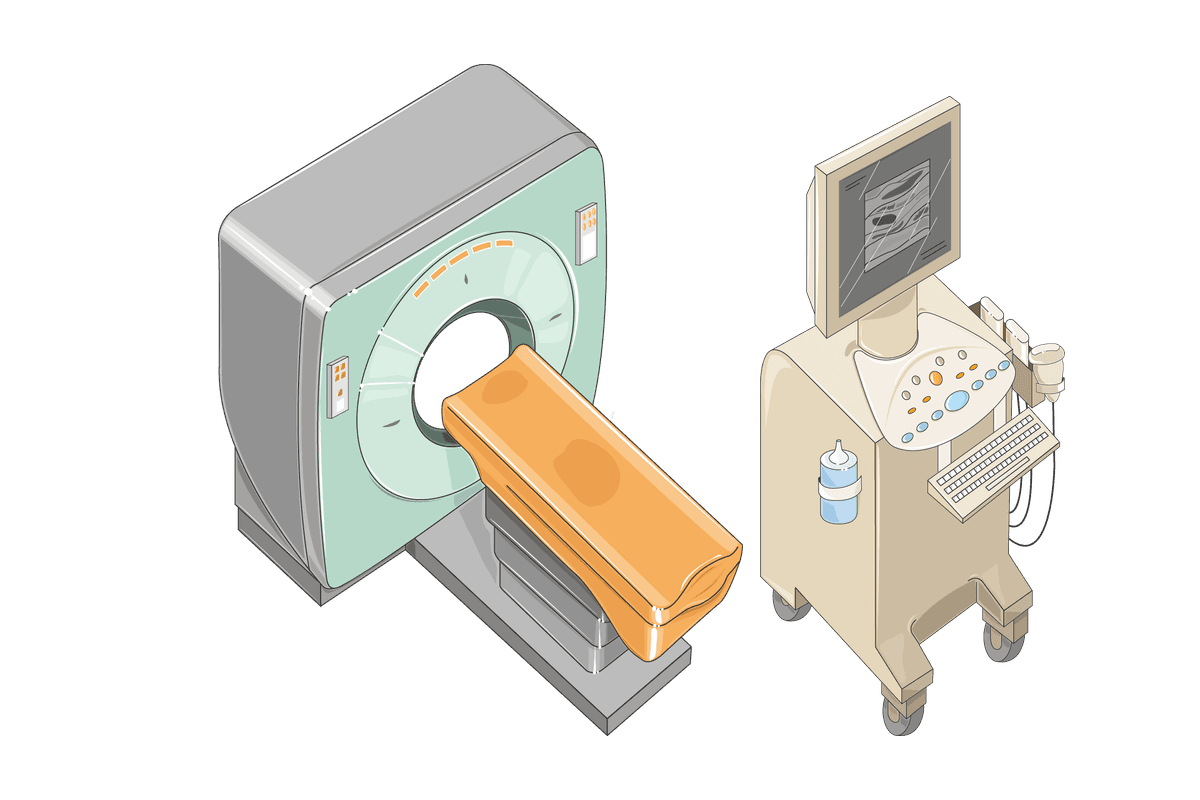
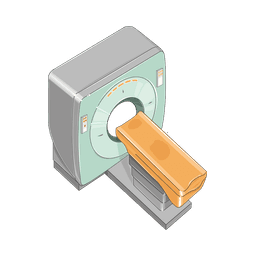
Clinical, laboratory, and imaging data can be extensive, incomplete, or sometimes conflicting. The clinician must establish the diagnosis while taking into account the patient’s individual characteristics in order to assess the full range of therapeutic options.
Specialist Consultation
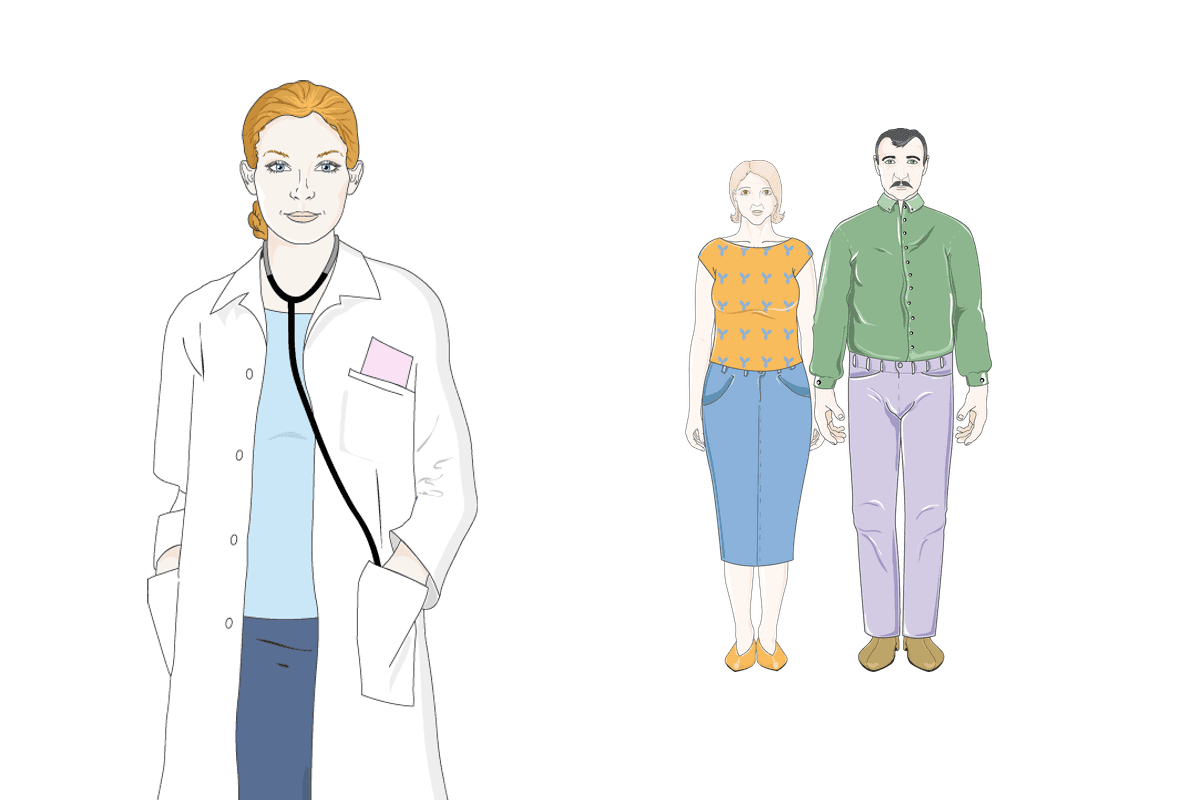
A serious illness and complex treatment options must be explained clearly to the patient and their family, often within a limited consultation time. The specialist needs to make complex information understandable in order to support shared medical decision-making.
Treatment Strategy
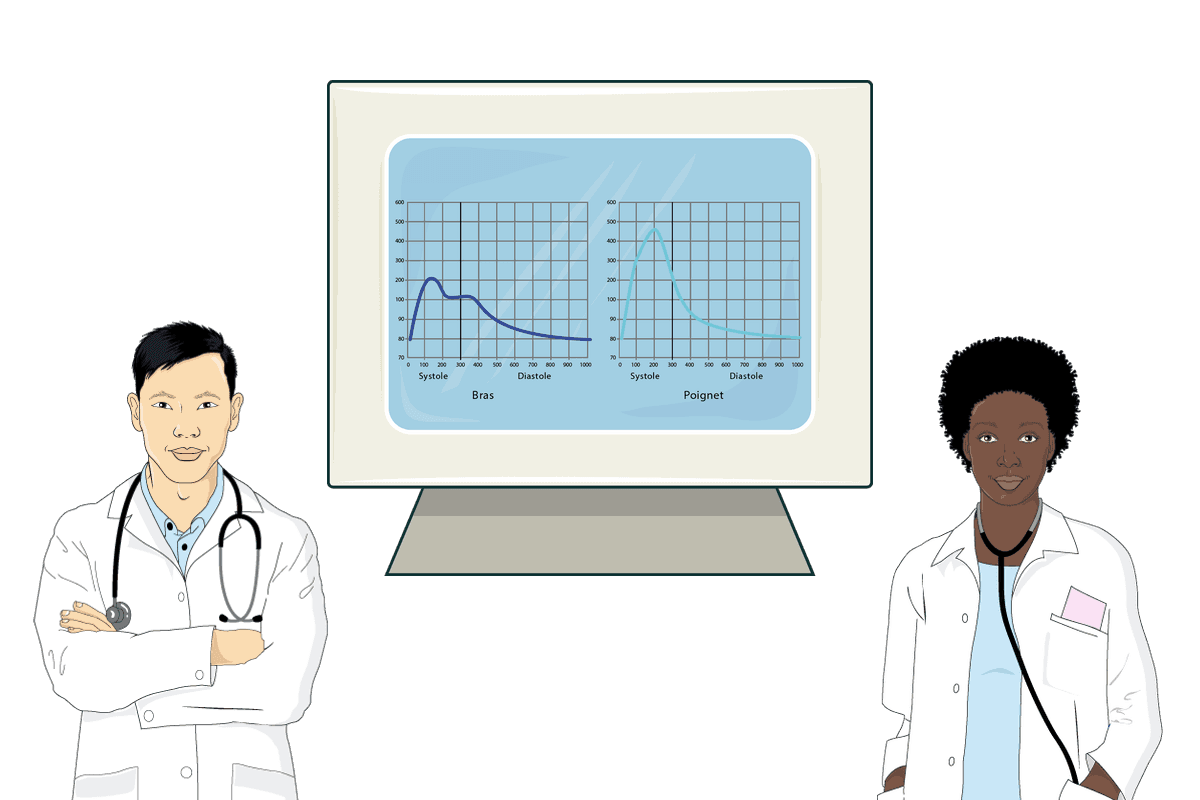
Multidisciplinary team meetings require significant preparation to synthesize heterogeneous data. Each specialist approaches the case from their own perspective, yet only a unified view of the patient can align clinical perspectives around the most appropriate treatment strategy.
Treatment Delivery
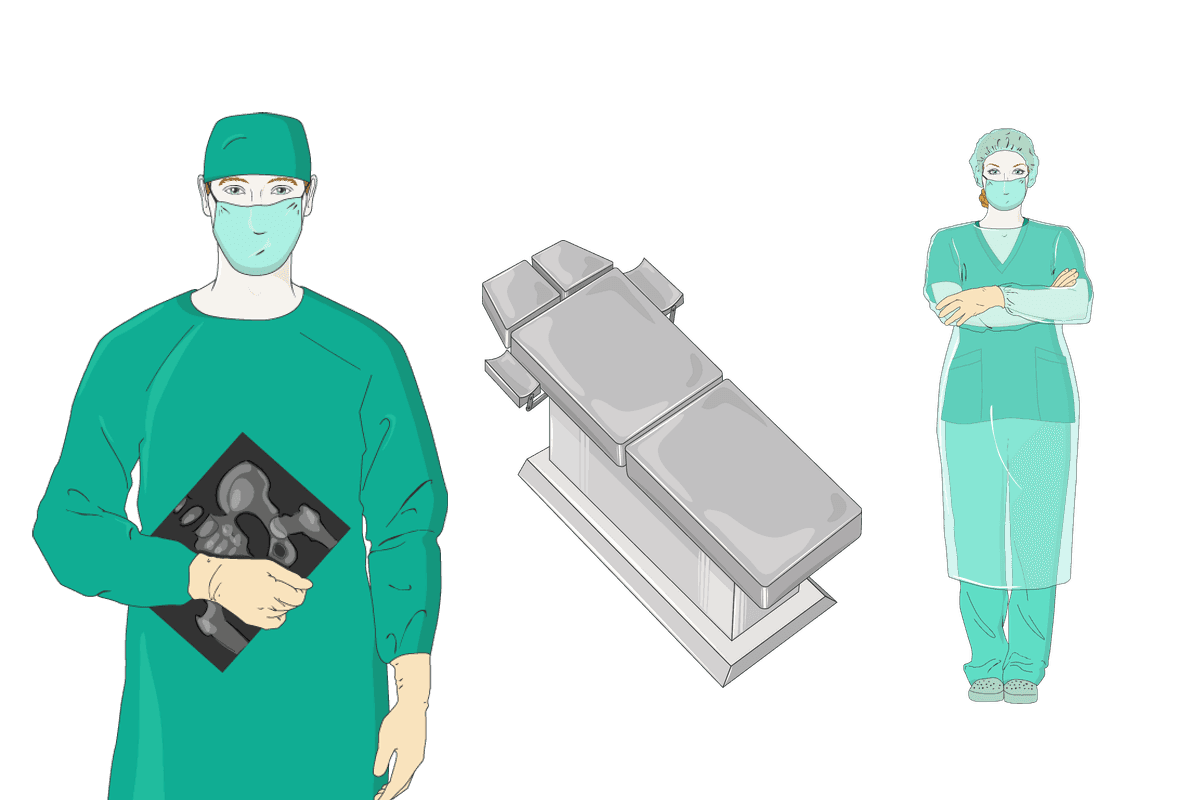
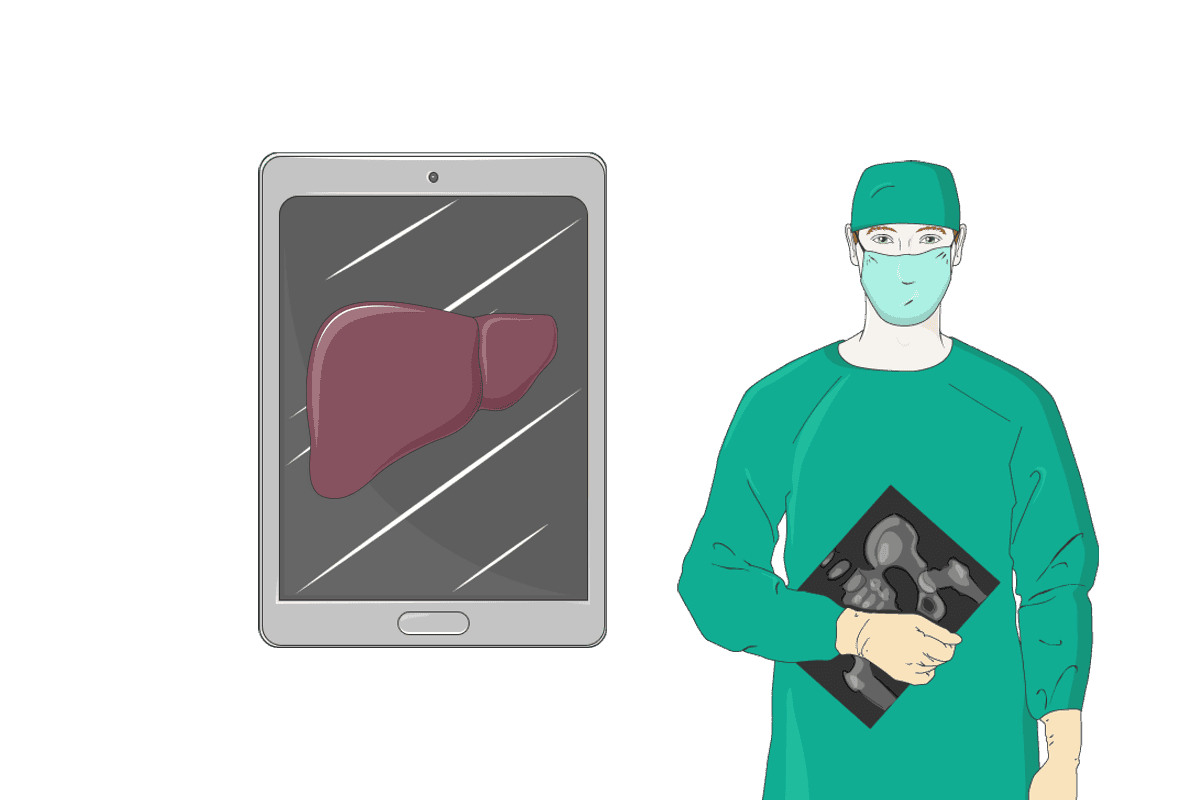
A multidisciplinary team, particularly in the operating room, needs a shared understanding of every stage of treatment in order to prepare and deliver it together. This close coordination is essential to ensure patient safety and reduce the cognitive burden on care teams, both in the operating room and throughout postoperative care.
Follow-up in the Community
As hospital stays become increasingly shorter, a seamless transition back into community care is essential. Primary care physicians and community nurses take over follow-up and need complete information and a clear understanding of the patient’s clinical situation to prevent breaks in continuity of care.
The Pain Points of a Complex Care Path
One patient. A serious disease. Multiple specialists. Difficult decisions. At every step, fragmented information creates risks, delays, and breaks in continuity of care.
- 01 / 06
Initial Detection
A serious illness may first be identified in primary care — incidentally, following the onset of symptoms, or during the monitoring of a chronic condition. The physician must refer the patient quickly to an expert center and provide the relevant medical history. Yet information often fails to flow efficiently between healthcare settings.
- 02 / 06
Diagnosis
Clinical, laboratory, and imaging data can be extensive, incomplete, or sometimes conflicting. The clinician must establish the diagnosis while taking into account the patient’s individual characteristics in order to assess the full range of therapeutic options.
- 03 / 06
Specialist Consultation
A serious illness and complex treatment options must be explained clearly to the patient and their family, often within a limited consultation time. The specialist needs to make complex information understandable in order to support shared medical decision-making.
- 04 / 06
Treatment Strategy
Multidisciplinary team meetings require significant preparation to synthesize heterogeneous data. Each specialist approaches the case from their own perspective, yet only a unified view of the patient can align clinical perspectives around the most appropriate treatment strategy.
- 05 / 06
Treatment Delivery
A multidisciplinary team, particularly in the operating room, needs a shared understanding of every stage of treatment in order to prepare and deliver it together. This close coordination is essential to ensure patient safety and reduce the cognitive burden on care teams, both in the operating room and throughout postoperative care.
- 06 / 06
Follow-up in the Community
As hospital stays become increasingly shorter, a seamless transition back into community care is essential. Primary care physicians and community nurses take over follow-up and need complete information and a clear understanding of the patient’s clinical situation to prevent breaks in continuity of care.

A unified, longitudinal view of the patient case for better care coordination.
 Imaging & diagnosis
 Digital organ twin
 Multidisciplinary review
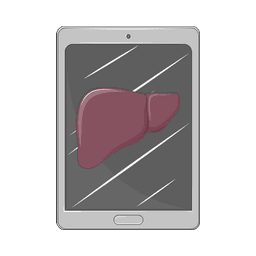 Treatment planning
 Pathway coordination
DOTs Healthcare (DOTs) is a deeptech medtech born in clinical practice (BOpA Chair – APHP), with one goal: to deliver impact and create value in healthcare.
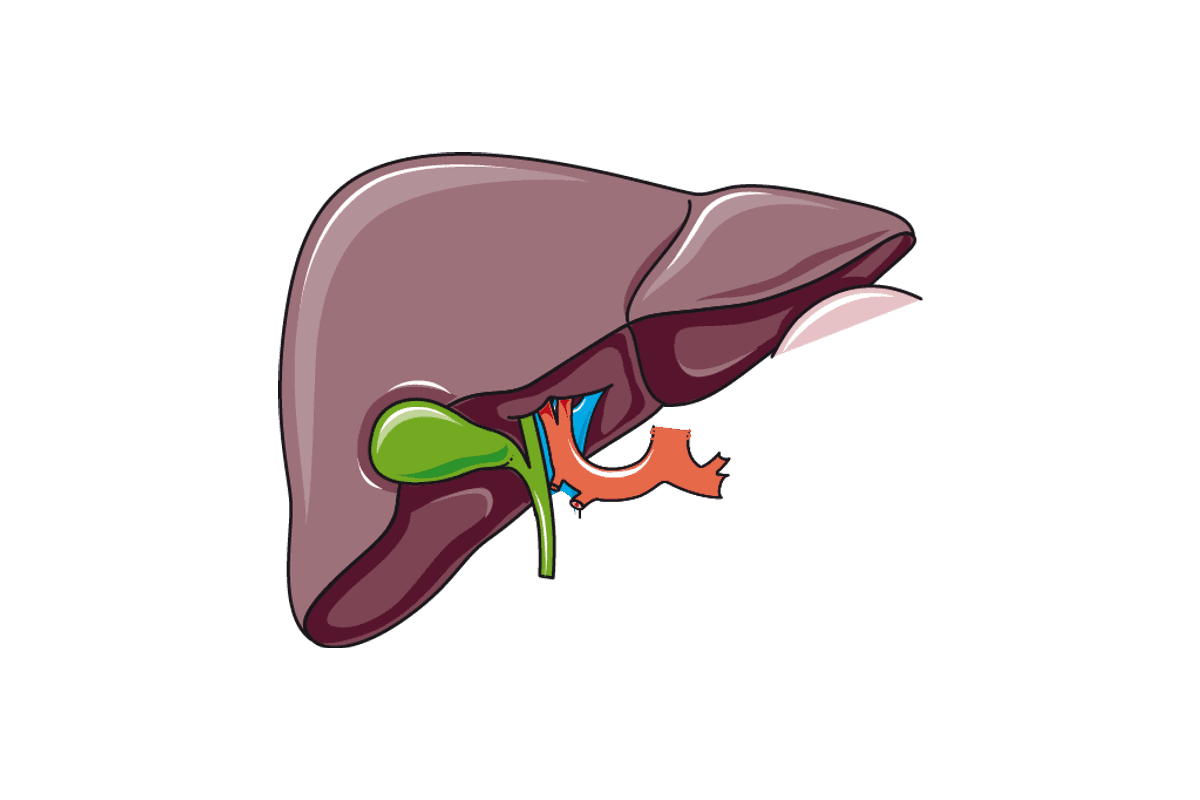
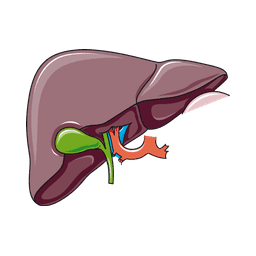
DOTs connects the dots of the patient journey with Digital Organ Twins, turning health data into knowledge that is useful to everyone.
DOTs focuses on complex care pathways, giving the whole care team and the patient a unified, concise and relevant view all along the way, through an intelligent clinical platform that combines digital twins, artificial intelligence and specialist expertise.
Our founders
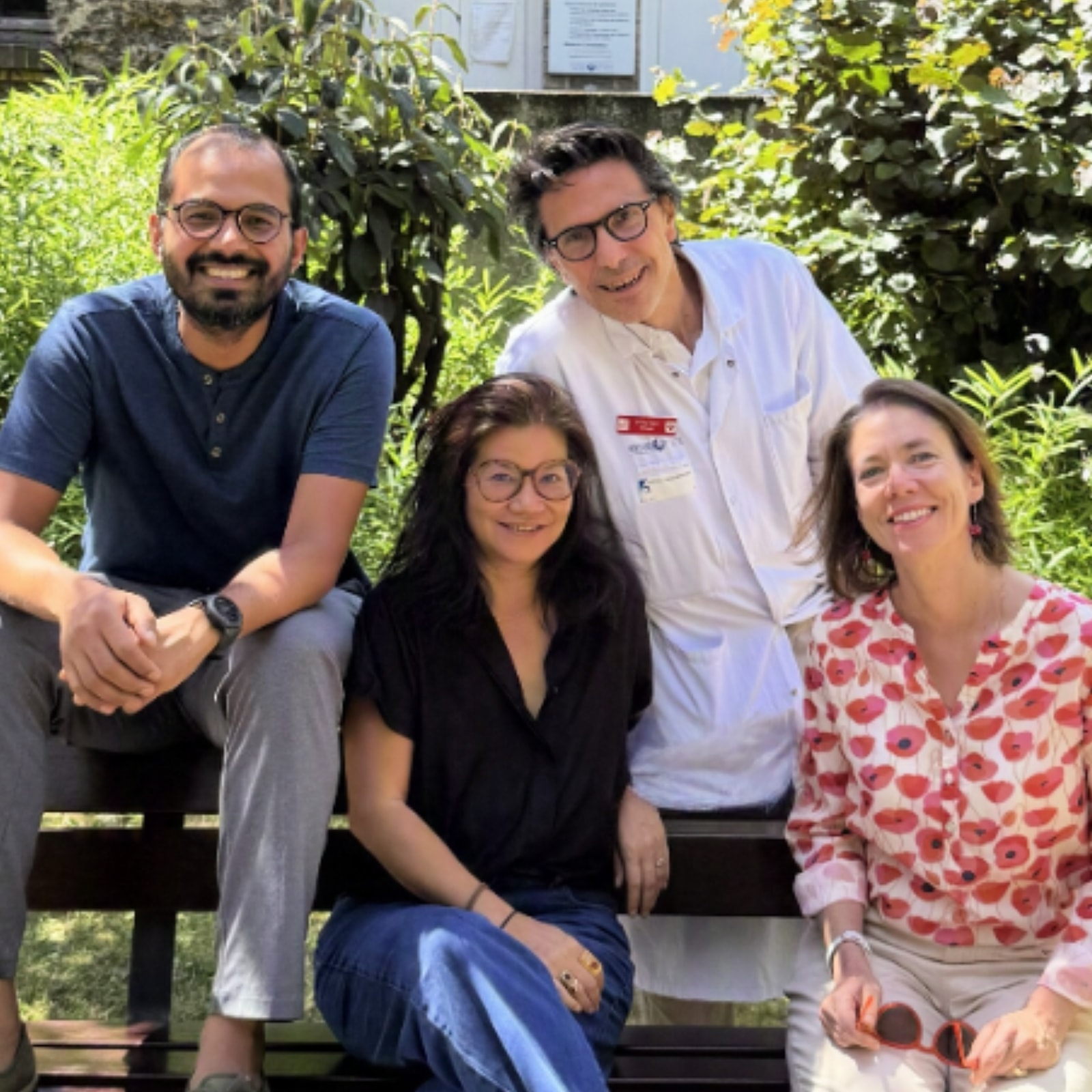
Co-founder, CEO
Business lawyer and General Counsel. 25 years of experience. Financing, M&A, and governance.
Co-founder, CTO
Director of Medical Innovation @ BioSerenity, Head of Data @ Arkhn, CTO @ Fondation FondaMental.
Co-founder, Scientific Advisor
INRIA Research Director, 20 years of experience in hemodynamic modeling. Co-director INSERM/INRIA: Digital Twin & Biomarker in Liver Surgery (Twin4Life). H-index: 43.
Co-founder, Medical Advisor
Professor & Hospital Practitioner (PU-PH), Paul Brousse Hospital (AP-HP). 25 years of experience in liver surgery. Creator of BOPA, BOPTech, and the BOPEX living lab. Co-director INSERM/INRIA team: Twin4Life. H-index: 64.